

In 2026, degrees and job titles alone won’t cut it. Employers are in full skills-based hiring mode, scanning resumes for proof you can actually deliver results in a world reshaped by AI, economic shifts, and rapid change.
Whether you’re in healthcare, finance, retail, manufacturing, education, or tech, the same core abilities separate candidates who get hired from those who get ghosted. According to the latest data from the World Economic Forum, LinkedIn, and leading career reports, these 10 transferable skills top every employer’s wish list.
Master them, and you’ll future-proof your career—no matter the industry. Here’s the exact list, why each one matters, real-world examples, and exactly how to build and showcase them.
See Also: 10 Daily Habits of High Achievers That Lead to Success
Top 10 Skills Employers Look for in Any Industry in 2026
1. Critical Thinking and Problem-Solving
Employers don’t want yes-people—they want thinkers who can dissect complex issues, weigh trade-offs, and make smart calls when the path isn’t obvious. Analytical thinking tops WEF’s core skills list, with 69% of employers calling it essential.

Why it wins jobs: Nearly 90% of hiring managers scan resumes specifically for problem-solving evidence.
See More Posts in Jobs, Scholarships, Technology, Career/Motivations, Football News Feeds
Real-world example: A retail manager spots declining foot traffic, analyzes customer data, tests new store layouts, and boosts sales 18%—without a big marketing budget.
How to master it: Tackle case studies, join debate clubs, or use real projects at work (e.g., “Led process audit that cut waste by 22%”).
How to showcase it: Resume bullet: “Analyzed supply chain bottlenecks and implemented solution that reduced delays by 35%.” In interviews, use the STAR method (Situation, Task, Action, Result).
2. Communication Skills
Clear, persuasive communication—written, verbal, and listening—remains the ultimate differentiator. It turns ideas into action across teams, clients, and stakeholders.
Why it wins jobs: It appeared in nearly 2 million job postings recently and consistently ranks #1 or #2 across industries.
Real-world example: A project coordinator in construction translates technical specs into plain language for clients and crews, preventing costly miscommunications.
How to master it: Practice public speaking (Toastmasters or LinkedIn Learning), write weekly summaries for your team, or take a technical writing course.
How to showcase it: “Authored monthly reports that improved cross-team alignment and reduced revision cycles by 40%.”
3. Collaboration and Teamwork
Modern work is cross-functional. Employers need people who listen, clarify expectations, and drive shared outcomes—even with remote or diverse teams.
Why it wins jobs: LinkedIn’s 2026 Skills on the Rise highlights cross-functional collaboration and team management as surging demands.
Real-world example: A nurse in a hospital coordinates with doctors, admins, and families to create seamless patient care plans.
How to master it: Volunteer for group projects, use tools like Slack or Microsoft Teams effectively, or lead small team initiatives.
How to showcase it: “Collaborated with 7 departments to launch new onboarding program adopted company-wide.”
4. Adaptability and Continuous Learning (Resilience, Flexibility & Agility)
Change is constant. Employers crave people who pivot quickly, learn new tools, and bounce back stronger. Resilience/flexibility/agility is the #2 core skill per employers (67%).
Why it wins jobs: Career paths are no longer linear—roles evolve every 2–3 years.
Real-world example: A marketing specialist learns AI tools overnight when the company shifts strategy, then trains the rest of the team.
How to master it: Take one new course quarterly, seek stretch assignments, or journal lessons from every setback.
How to showcase it: “Adapted to sudden remote transition during company restructuring; maintained 98% productivity.”
Read Also: What Makes High Achievers Different: The Hidden Traits Behind Extraordinary Success
5. Emotional Intelligence and Active Listening
Self-awareness, empathy, and relationship-building are non-negotiable in collaborative workplaces.
Why it wins jobs: It builds trust, resolves conflict, and boosts retention—skills AI can’t replicate.
Real-world example: A customer service lead de-escalates angry clients by truly hearing their concerns, turning complaints into loyalty.
How to master it: Practice active listening in meetings, seek 360-feedback, or read “Emotional Intelligence 2.0.”
How to showcase it: “Resolved 15+ team conflicts through empathetic mediation, improving department morale scores 25%.”
6. Creativity and Innovation
Employers want fresh ideas that solve problems differently and drive growth.
Why it wins jobs: Paired with critical thinking, it’s how companies stay ahead.
Real-world example: A logistics coordinator redesigns routes using simple tools, cutting fuel costs 12% and emissions.
How to master it: Brainstorm daily, prototype side projects, or use “what if” questions in every meeting.
How to showcase it: “Developed innovative workflow that saved team 8 hours/week.”
7. AI Literacy and Prompt Engineering
You don’t need to code AI—you need to direct it effectively. Prompt engineering, using LLMs, and interpreting AI outputs are exploding.
Why it wins jobs: AI demand surged +245% in some reports; professionals using AI tools earn ~18% more.
Real-world example: An HR generalist uses AI to screen resumes faster and more fairly, then explains outputs to leadership.
How to master it: Free tools like ChatGPT + structured prompts; LinkedIn Learning’s “AI Decision Playbook.”
How to showcase it: “Used AI tools to analyze 500+ survey responses, uncovering insights that informed new retention strategy.”
8. Data Literacy and Analytics
Every role now involves reading, interpreting, and communicating data insights—not just crunching numbers.
Why it wins jobs: Businesses generate massive data volumes; those who turn it into decisions win.
Real-world example: A teacher analyzes student performance data to personalize lesson plans, improving test scores 22%.
How to master it: Learn Excel/Google Sheets advanced features, then Tableau or Power BI basics.
How to showcase it: “Interpreted sales data to identify trends, resulting in targeted campaign that increased revenue 15%.”
9. Digital Fluency and Technological Literacy
Comfortably navigating tools, cloud platforms, and emerging tech is table stakes.
Why it wins jobs: 86% of employers expect AI/tech to transform business by 2030.
Real-world example: An accountant automates reports with new software, freeing time for strategic advice.
How to master it: Experiment with one new tool monthly (Notion, Canva, Zapier, etc.).
How to showcase it: “Implemented digital dashboard that gave leadership real-time visibility into KPIs.”
10. Leadership and Initiative
Even without “manager” in your title, taking ownership, mentoring others, and moving work forward is gold.
Why it wins jobs: Cross-functional leadership and mentorship are surging on LinkedIn.
Real-world example: A junior analyst spots a process gap, proposes a fix, leads a pilot, and gets promoted.
How to master it: Mentor a colleague, volunteer to lead a meeting, or run a small project.
How to showcase it: “Initiated and led volunteer team of 8 that raised $12K for company charity drive.”
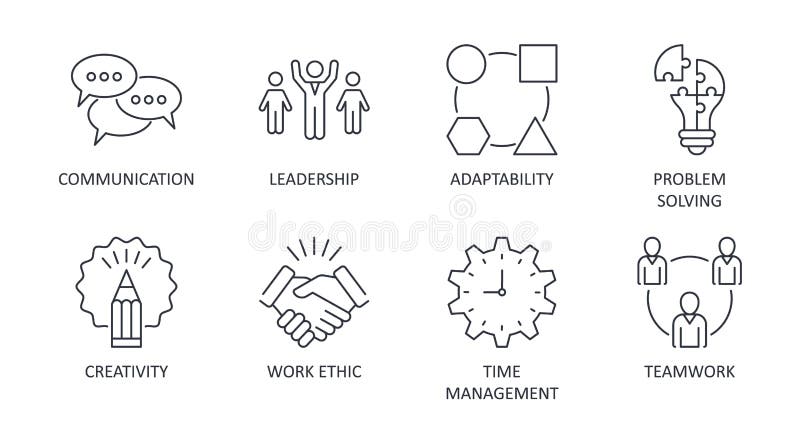
How to Highlight These Skills on Your Resume and in Interviews
- Resume: Use action verbs + metrics. Skip generic lists—prove it with results. Tailor the top third to mirror the job description.
- LinkedIn: Add skills badges and featured projects. Recruiters search here first.
- Interviews: Prepare STAR stories for each skill. Ask, “What’s the biggest challenge the team is facing right now?” then tie your skills to solving it.
- Pro tip: Create a “Skills Portfolio” with 3–5 mini case studies you can reference anytime.
Final Thoughts: Your 2026 Career Advantage Starts Today
The job market rewards humans who combine timeless people skills with modern tech fluency. These 10 abilities aren’t nice-to-haves—they’re the difference between getting passed over and getting multiple offers.
Start small: Pick one skill this week, dedicate 30 minutes daily, and track your progress. In three months, you’ll have stories that make hiring managers say, “We need this person yesterday.”
Ready to level up? Share this post with a friend who’s job hunting.
What’s one skill from this list you’re committing to master in 2026?
FAQ: Top Skills Employers Look for in 2026
Q: What is the #1 skill employers want in 2026? A: Analytical/critical thinking remains #1, followed closely by adaptability and communication.
Q: Do soft skills still matter more than technical skills? A: Yes—especially when paired with AI and data literacy. Human skills are harder to teach and impossible for AI to fully replace.
Q: How can non-tech professionals stand out? A: Focus on AI literacy, data storytelling, and leadership. These apply universally.
Q: Where can I learn these skills for free? A: LinkedIn Learning (free trials), Coursera, YouTube, and company internal training.
Bookmark this guide, revisit it quarterly, and watch your career trajectory change. The future belongs to the skilled—not just the experienced.