

Imagine this: You drop $1,000+ on the “hottest” new phone, only to realize six months later it’s sluggish for your gaming sessions, the battery dies during your commute, or the camera turns your vacation pics into blurry disasters. In 2026, with AI features exploding, foldables going mainstream, and flagship prices creeping higher, choosing wrong hurts more than ever.
This isn’t just another “best phones” list. This is your complete, no-fluff 2026 smartphone buying guide — packed with expert steps to match a phone perfectly to your life, budget, and habits. Follow it, and you’ll walk away confident, regret-free, and maybe even save hundreds.
Step 1: Start With YOU — Define Your Real Needs (The Most Important Step Most Skip)
Before eyeing specs or brands, ask: How do I actually use my phone every day?
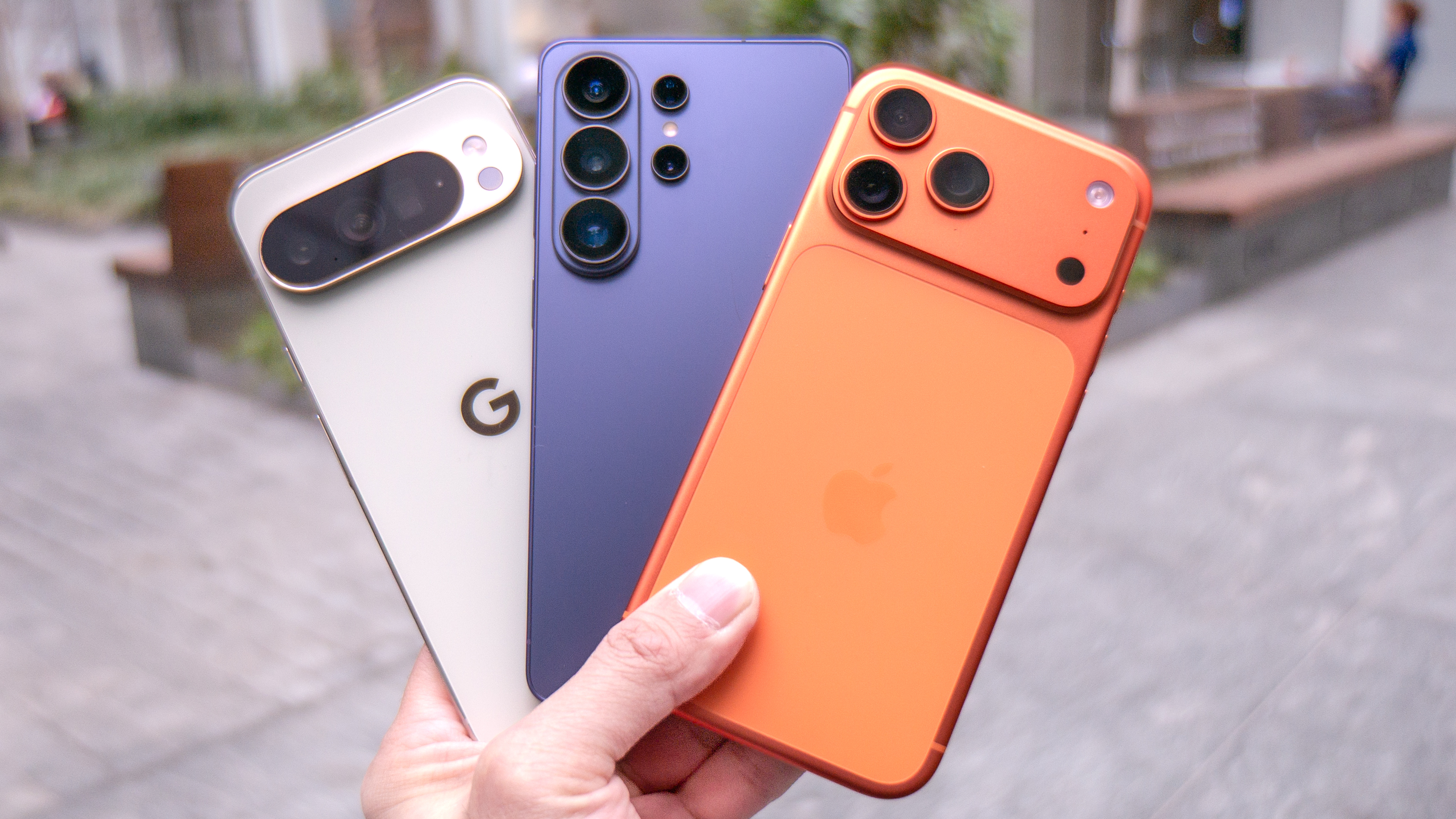
- Heavy photography or content creation? Prioritize computational AI cameras (Google Pixel 10 series excels here with Magic Editor and real-time enhancements).
- Gaming or multitasking? Look for high RAM (12GB+), vapor-chamber cooling, and 120Hz+ LTPO displays.
- All-day battery + travel? New silicon-carbon batteries in 2026 models deliver 10–12+ hours of heavy use — test real-world endurance, not just mAh.
- Productivity and note-taking? Foldables or S Pen-equipped phones (like Galaxy S26 Ultra) shine for split-screen work.
- Casual use (social media, calls, streaming)? Mid-range options crush it without the premium tax.
Pro tip: Track your current phone’s usage for a week (Settings > Battery or Screen Time). If you’re a power user, don’t settle for less than flagship-level performance. Casual? A $500–700 mid-ranger will feel luxurious.
See Also: How 5G Works: 10 Things You Must Know About 5G Technology
Trending Now: 100,000 Coupon Bundle + 30% OFF, Click Here. Use this code “alh190663” on Check out.
Step 2: Set a Realistic Budget (And Stick to It)
2026 pricing reality check:
Click Here To See More Wonderful Offers.
- Budget (< $600): Excellent daily drivers with 5–7 years of updates (Google Pixel 9a/10a successors, Nothing Phone, Poco models).
- Mid-range ($600–900): Near-flagship performance and cameras (OnePlus 15R, Galaxy S26 base, iPhone 17 standard).
- Flagship ($900+): Cutting-edge AI, pro cameras, and future-proofing (iPhone 17 Pro Max, Galaxy S26 Ultra, Honor Magic V5 foldable).
Money-saving hack: Buy last year’s flagship on sale — many now get 6–7 years of OS updates, making the “previous gen” rule smarter than ever.
Step 3: iOS vs Android — Choose Your Ecosystem Wisely
- iOS (Apple iPhone 17 series): Seamless ecosystem if you own Mac, Watch, or AirPods. Best video recording, longest software support (7+ years), and resale value. Downsides: Less customization, higher entry price.
- Android: Infinite variety — Samsung for features/S Pen, Google Pixel for pure AI and photography, OnePlus/Xiaomi for raw speed and value. More flexible, but updates vary by brand.
2026 twist: On-device AI is everywhere. Pixel’s Gemini tools and Samsung’s Galaxy AI make Android feel magical for editing, translation, and automation. Apple Intelligence is catching up fast.
Step 4: The 2026 Specs That Actually Matter (Ignore the Hype)
Focus here — not just megapixels:
- Processor & Performance: Snapdragon 8 Elite Gen 5 or Apple A19 — all flagships fly, but check gaming benchmarks if you play heavy titles.
- Display: 120Hz+ adaptive refresh, 2,000+ nits brightness, anti-reflective coating (Galaxy S26 series leads). Size: 6.1–6.8 inches for most; foldables for tablet-like multitasking.
- Camera: AI is king. Look for 50MP+ main sensors with advanced processing — Pixel 10 for natural shots, iPhone 17 Pro for cinematic video, Galaxy S26 Ultra for zoom versatility.
- Battery & Charging: 4,500mAh+ with 45W+ wired/ wireless. 2026 silicon-carbon tech means all-day life even on power-hungry AI features.
- Software & Updates: Minimum 7 years now standard from Google, Samsung, and Apple. Avoid brands that promise less.
- Build & Extras: IP68/69 rating, titanium frames, and satellite connectivity for emergencies.

Read Also: What Makes a Smartphone ‘Smart’? The Surprising Tech Behind the Name
Step 5: Form Factor Revolution — Slab, Foldable, or Flip?
- Classic slab: Still the reliable choice for most.
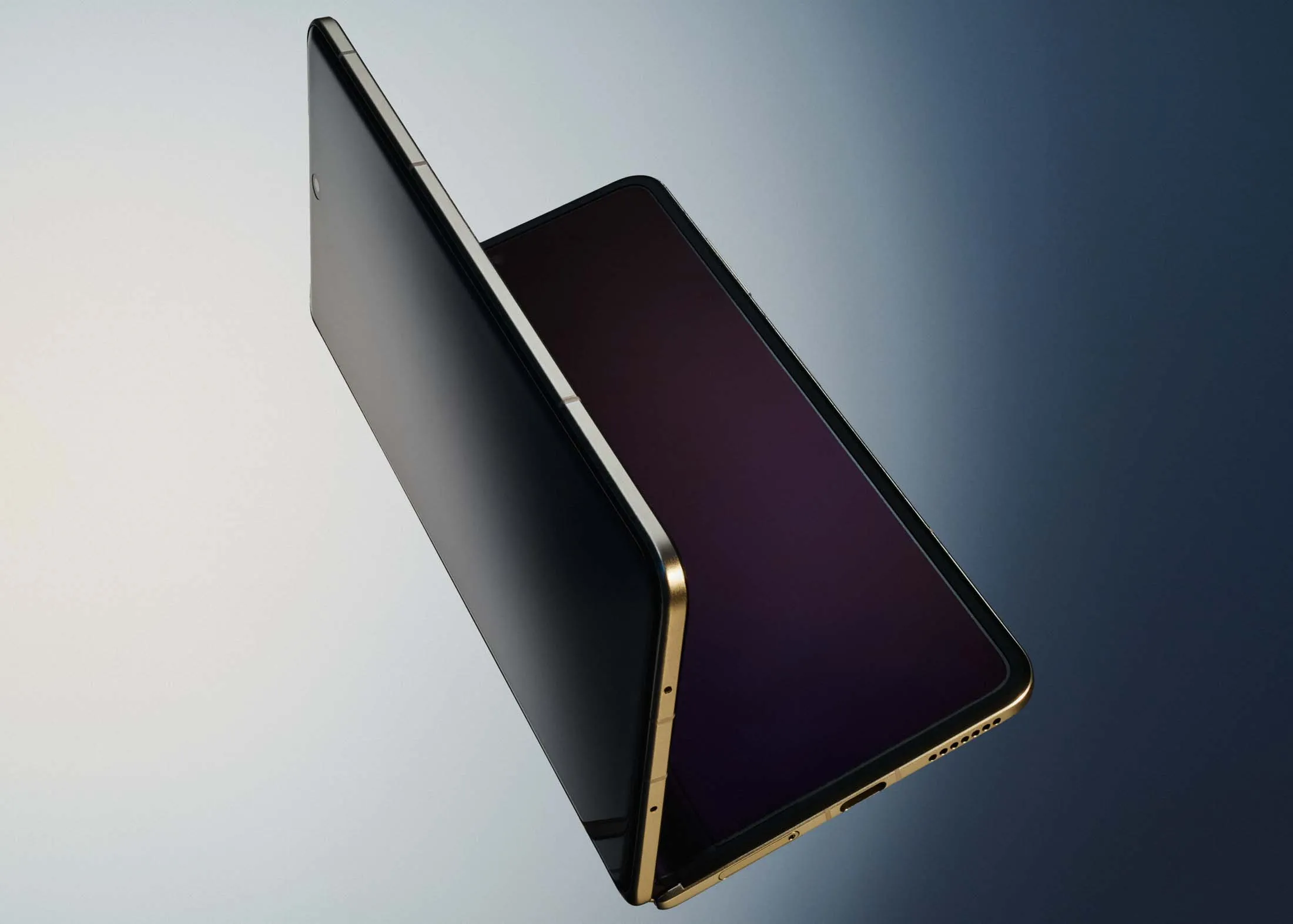
- Book-style foldables (Galaxy Z Fold 7, Honor Magic V5, Pixel 10 Pro Fold): Productivity beasts with huge inner screens and near-zero crease in 2026. Perfect for multitasking or reading.
- Clamshell flips (Motorola Razr Ultra, Galaxy Z Flip 7): Compact pocket-friendly with big outer displays for quick checks.

2026 Top Recommendations by Need
Best Overall: Apple iPhone 17 or iPhone 17 Pro Max — balanced, future-proof, ecosystem magic.
Best Android: Google Pixel 10 Pro — unbeatable AI photography and clean software.
Best Camera Phone: Samsung Galaxy S26 Ultra — insane zoom and video tools.
Best Value: Google Pixel 10a or mid-range OnePlus — flagship features for less.
Best Foldable: Honor Magic V5 or Galaxy Z Fold 7 — slim, powerful, and practical now.
Best Performance: OnePlus 15 — speed demon with excellent battery.
(Compare side-by-side visuals of top flagships below for quick reference.)

Step 6: Avoid These 5 Costly 2026 Mistakes
- Chasing specs you’ll never use (e.g., 200MP camera if you only Snapchat).
- Ignoring software support length.
- Buying unlocked vs carrier deals without checking trade-in value.
- Skipping hands-on testing in-store (feel the weight, screen, hinge).
- Overlooking accessories compatibility (cases, chargers, watches).
Smart Buying Tips for 2026
- Shop during sales (Prime Day, back-to-school, carrier promotions).
- Trade in your old phone — many carriers offer $300–600+ credit.
- Check real-user reviews on Reddit and GSMArena for battery/camera consistency.
- Test in-store: Play your favorite games, take photos in different lighting.
FAQ: Your Burning Questions Answered
Q: Should I wait for later 2026 releases? Usually no — early flagships (iPhone 17, Galaxy S26) set the bar; foldables improve throughout the year.
Q: Is foldable worth it yet? Yes — 2026 models are thinner, more durable, and have better batteries than ever.
Q: Budget phone or flagship? If your needs are basic, a strong mid-ranger saves you $400+ with minimal compromise.
Q: iPhone or Android for long-term value? iPhone for resale; Pixel/Samsung for features and updates.
Final Thoughts: Your Perfect Phone Is Waiting
The right smartphone isn’t the most expensive or hyped — it’s the one that disappears into your daily life and just works for the next 4–5 years.
Take 10 minutes to answer the needs questions above, set your budget, and you’ll make a smarter choice than 90% of buyers. Ready to upgrade? Start with your top needs, then compare the 2026 standouts.
What’s your biggest priority this year — camera, battery, or something else? Drop it in the comments, and I’ll help narrow it down further!
Last updated: March 2026. Prices and availability can shift — always verify with retailers.

